Leather vs. Cloth Interior Materials: A Complete Guide to Detailing Needs
CALL (410) 946-7360 SCHEDULE ONLINEChoosing the right interior materials for your vehicle goes far beyond personal style. The type of upholstery you select directly influences long-term maintenance, cleaning frequency, appearance, comfort, durability, and the cost of professional detailing. Whether you prefer the sophistication of leather or the comfort of cloth, understanding the differences between these materials helps you care for your vehicle properly and keep the interior looking fresh for years. Drivers in the Odenton, Bowie, and Annapolis areas often deal with temperature swings, high humidity, and year-round sun exposure, all of which impact how leather and cloth interiors age. A vehicle’s interior is one of the first things people notice, and its condition can affect your daily driving experience as well as your car’s resale value.
This guide breaks down the characteristics of leather and cloth interiors, explains their maintenance needs, and provides expert detailing tips to help you preserve comfort, appearance, and value.
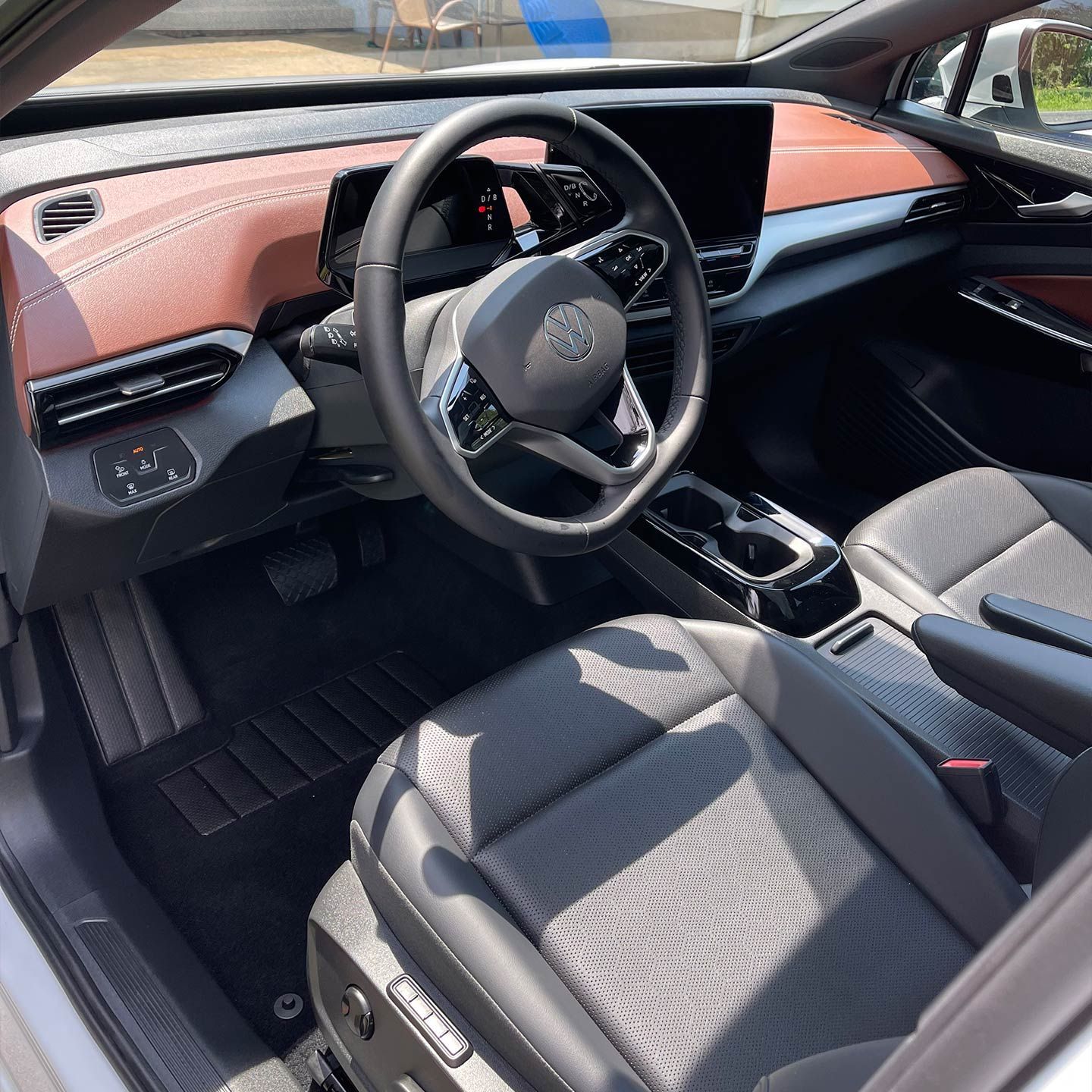
Leather Interiors: Luxury, Durability, and Higher Maintenance Needs
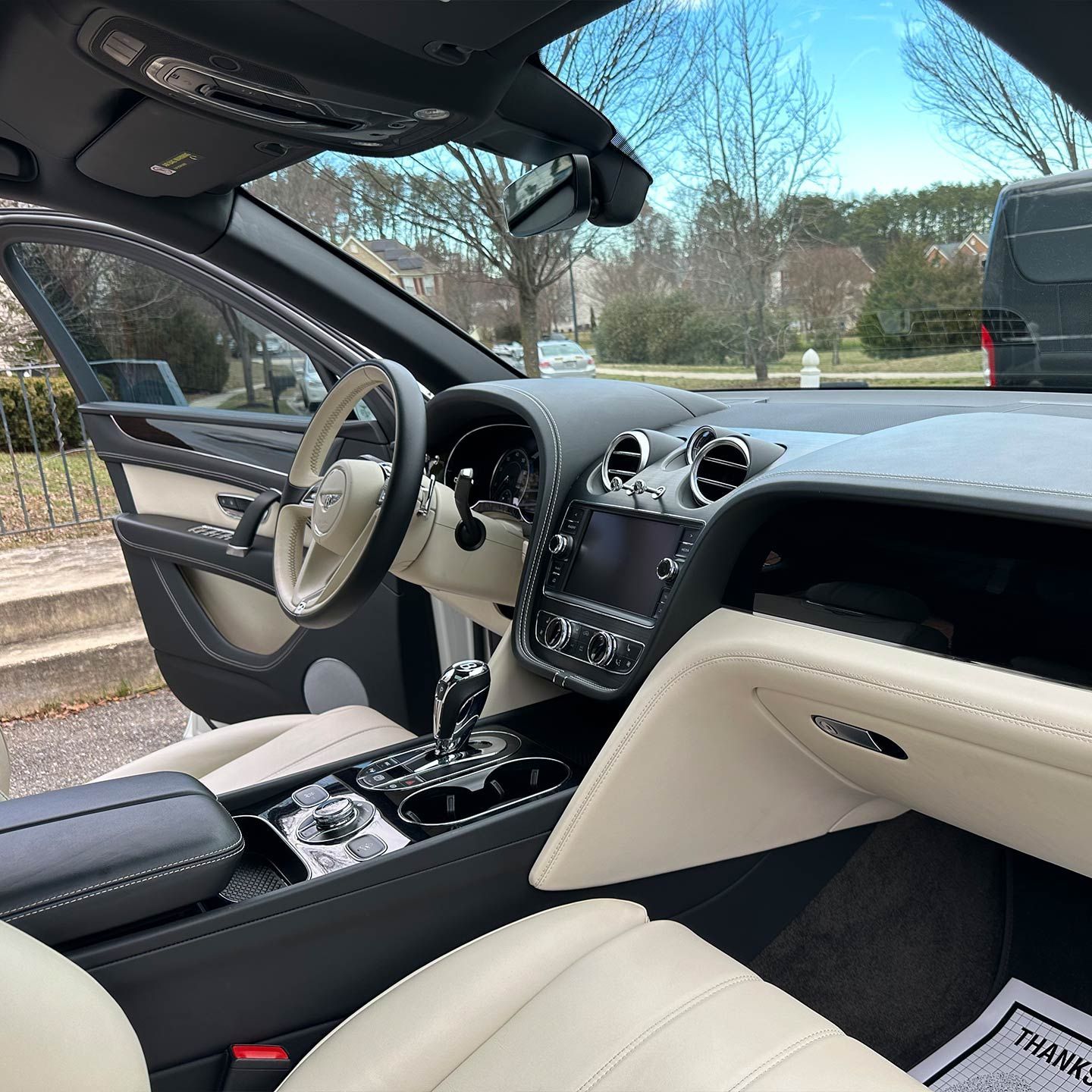
Leather seats are widely associated with luxury and refinement. There is something undeniably premium about leather’s appearance, texture, and scent. The smooth surface, natural grain, and elegant finish introduce a sense of sophistication that enhances the entire driving experience. Leather does more than look stylish. It offers notable durability, especially when properly maintained. Over time, quality leather develops a natural patina that many vehicle owners appreciate. This patina gives the interior character without necessarily making it look worn.
However, this upscale material requires consistent care. Leather is a natural material that reacts to heat, sunlight, humidity, and repeated friction. Unlike synthetic fabrics, leather contains natural oils that keep it flexible and prevent cracking. These oils gradually break down as the leather is exposed to ultraviolet rays, body oils, dirt, and temperature fluctuations. Without the right cleaning and conditioning routine, leather can dry out, crack, discolor, or become shiny from accumulated oils. Proper maintenance preserves both the look and structure of the upholstery.
Caring for leather starts with gentle cleaning using pH-balanced leather-specific products. Household cleaners, multi-surface sprays, and dish soaps are too harsh and can strip essential oils from the hide. Routine cleaning removes sweat, dirt, debris, and oils that settle into the pores. Most detailers recommend cleaning leather every two to three months, depending on usage.
Conditioning leather is just as essential as cleaning it. Leather conditioners replenish lost moisture and restore suppleness. Properly conditioned leather feels soft, stretches naturally, and resists cracking. Applying a conditioner every four to six months helps maintain elasticity and prevents the stiff or brittle texture that old leather often develops. Using too much conditioner, however, can clog the surface and make it feel sticky. Moderation and high-quality products are key to maintaining a smooth, refined finish.
Sunlight poses a significant threat to leather interiors. UV exposure can bleach the color, weaken the fibers, and dry the material faster than normal. This is particularly relevant in Maryland, where sunny, humid summers contribute to wear. A leather-safe UV protectant safeguards your seats by forming a thin barrier that reduces sun damage. In addition to protectants, the simple habit of parking in shaded areas or using interior sunshades can dramatically reduce the impact of UV rays.
When cared for properly, leather seats can last many years and maintain their luxurious appeal. Their durability, combined with their visual impact, makes them a popular choice among drivers who value comfort and long-term quality. However, leather does require a more structured maintenance routine, and neglecting it can lead to expensive repairs or permanent damage.
Cloth Interiors: Comfort, Breathability, and Practicality
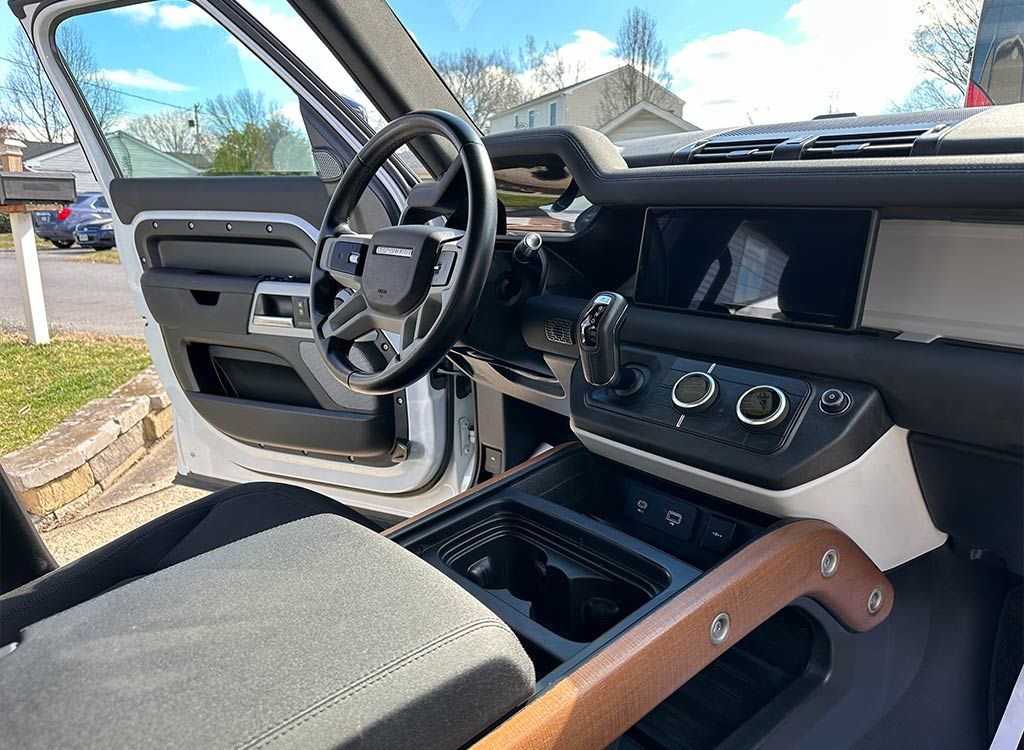
Cloth seats offer a very different experience. They are known for their comfort, breathability, affordability, and versatility. Cloth interiors remain cooler in the summer and warmer in the winter because the fabric does not absorb temperature extremes the way leather does. This makes cloth seats a popular choice for families, daily commuters, and drivers who prefer a more relaxed, home-like feel.
Cloth seats come in a wide variety of colors, textures, and patterns. This flexibility allows drivers to personalize their interior style more easily than with leather, which is generally limited to a smaller range of tones. Another advantage of cloth seats is that they do not crack, peel, or fade in the same way leather does. They tend to be more forgiving of age-related wear, especially when maintained consistently.
However, cloth is not without its challenges. Because it is porous, cloth easily absorbs dirt, spills, sweat, odors, and oils. Stains can sink deep into the fibers, making them difficult to remove without the right products and techniques. Frequent vacuuming is essential to keeping cloth fresh. This prevents grit and debris from grinding into the fabric and wearing it down over time. Vacuuming every one to two weeks is ideal for busy households or drivers with pets.
When spills happen, prompt action is crucial. Blotting the area gently with a clean microfiber cloth prevents stains from spreading deeper into the seat. Rubbing aggressively can push the spill further into the fabric or cause texture issues. Once the stain is contained, using a mild fabric cleaner designed for car upholstery is the safest way to clean it without damaging the fibers.
Deep cleaning cloth seats every six to twelve months helps maintain appearance and remove odors. Steam cleaning and shampoo extraction pull out embedded dirt, pollen, dust, and debris that simple vacuuming cannot reach. This leaves the vehicle smelling fresh and ensures the fabric retains its original color and softness. For drivers in Maryland who deal with seasonal pollen, salt residue, and humidity, periodic deep cleaning is especially valuable.
A fabric protectant creates a barrier on the cloth that repels liquids and prevents spills from soaking in quickly. Applying fabric protection immediately after a deep clean ensures stains remain on the surface long enough for you to clean them before they cause lasting discoloration. This extra layer of protection reduces maintenance frequency and helps cloth seats retain their clean, comfortable look.
Cloth interiors are comfortable and easy to live with when maintained properly. Although they require more frequent cleaning than leather, they are less vulnerable to cracking, peeling, or temperature-related damage.
Essential Detailing Practices for Leather Interiors
Maintaining leather seats is a process that combines gentle cleaning, nourishment, and protection. Proper care extends the life of the leather and ensures it continues to look refined and feel comfortable.
Cleaning leather regularly prevents sweat, dirt, and oils from accumulating. Because leather is porous, it absorbs contaminants, which can alter the color or texture. pH-balanced leather cleaners lift dirt without stripping away essential oils. Light agitation with a soft brush can help remove embedded debris, but harsh scrubbing should be avoided. Microfiber cloths are ideal because they are soft and non-abrasive.
Conditioning leather replenishes the oils lost to daily wear. Without conditioning, leather becomes dry and may develop creases, cracks, or stiffness. After applying a conditioner, letting it absorb before wiping away excess product ensures the finish remains smooth rather than greasy. The right conditioner restores elasticity and provides a more uniform appearance across the seat.
Protection from UV exposure is another crucial part of leather care. A UV-resistant leather protectant acts like sunscreen for your interior. It helps the leather resist fading and reduces the risk of cracking. This is especially important for drivers who park outdoors or spend long hours on the road. Maryland summers can be harsh on vehicle interiors, making UV protection even more important for longevity.
Consistent care is what keeps leather interiors luxurious. Cleaning every few months, conditioning two to three times a year, and protecting the seats from sunlight makes leather far more resilient and beautiful over time.
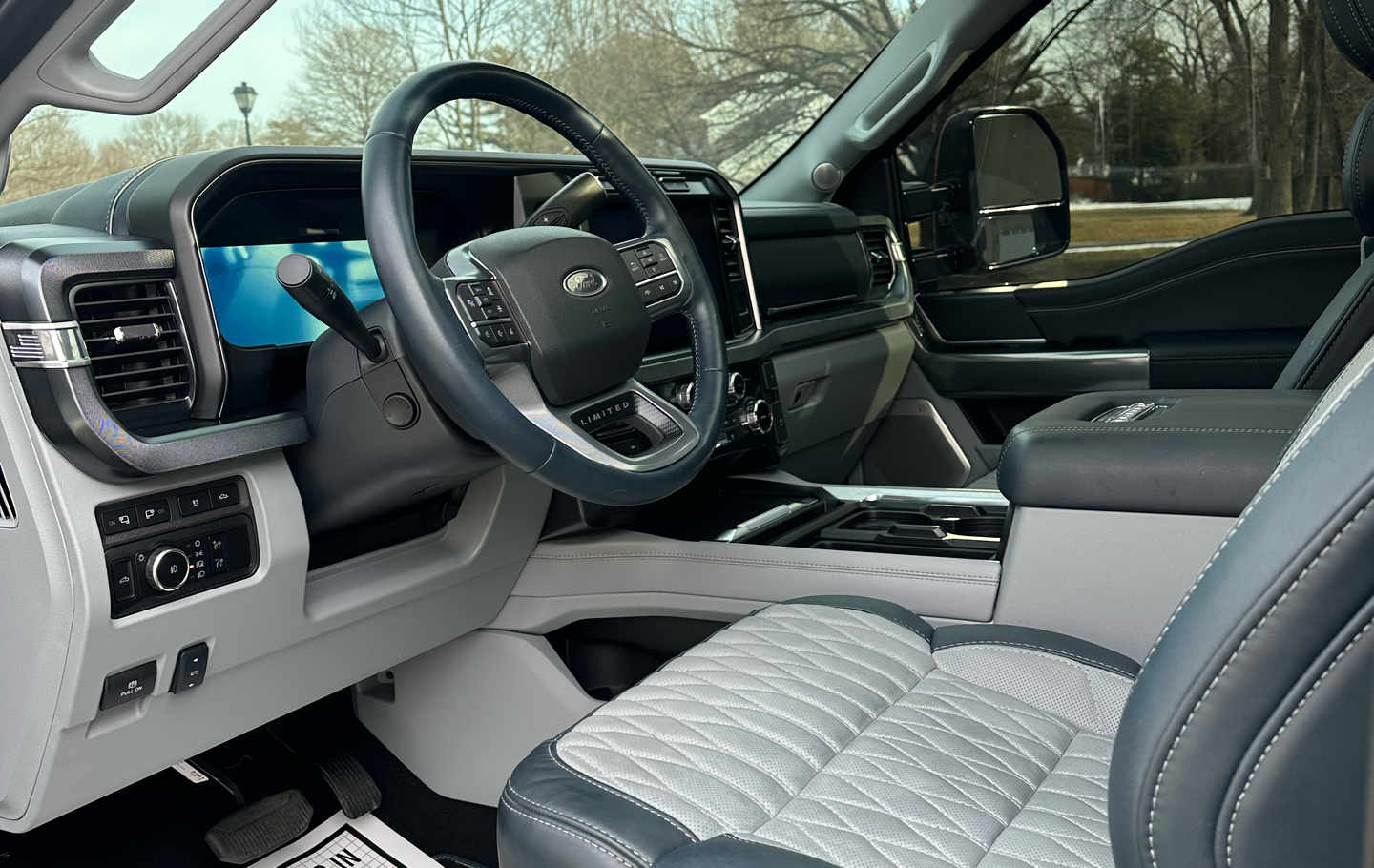
Essential Detailing Practices for Cloth Interiors
Cloth seats require a different type of care focused on stain prevention, deep cleaning, and odor management. Because cloth absorbs more than leather, maintenance must be more frequent.
Vacuuming is the cornerstone of cloth seat care. Removing dirt, crumbs, pet hair, and dust keeps the fibers healthy and prevents embedded particles from breaking down the material. Using a brush attachment helps lift debris that sits deep in the fabric.
Spot cleaning should happen as soon as a stain appears. Blotting with a microfiber towel prevents spreading, while gentle automotive upholstery cleaners remove discoloration without harming the fabric. Acting quickly is the most effective method, as stains set deeper over time.
Deep cleaning through shampooing or steam extraction refreshes the fabric by removing embedded dirt and restoring softness. This process is important for eliminating odors, which can become trapped deep below the surface. Vehicles exposed to humidity, pets, or food spills benefit most from regular deep cleaning.
Applying a fabric protectant creates a barrier against future stains and makes maintenance easier. This invisible shield helps prolong the life of the fabric and reduces the frequency of deep cleanings.
Cloth seats offer comfort, but they require diligence. With proper care, they stay soft, clean, and inviting for years.
Aesthetic and Comfort Differences Between Leather and Cloth
The choice between leather and cloth often comes down to personal preference, lifestyle, and desired appearance. Leather immediately conveys sophistication. It looks elegant, feels smooth, and enhances the cabin’s visual appeal. Many drivers enjoy the premium feeling leather brings to a vehicle. With age, leather can develop a patina that adds character.
However, leather can feel hot in summer or cold in winter unless the vehicle has ventilated or heated seats. Drivers in Maryland often experience both temperature extremes, making this factor important.
Cloth seats provide a softer, more breathable experience. They stay comfortable year-round and are ideal for families, pet owners, and commuters. Cloth does not become overly warm or cold, and the range of available colors and patterns allows for more customization.
Both materials offer comfort in their own ways. The choice depends on whether you prioritize luxury or practicality.
Long-Term Tips for Preserving Any Interior Material
Whether your vehicle has leather or cloth upholstery, consistent habits make a significant difference in longevity. Parking in shaded areas or using sunshades helps control interior temperatures and prevents fading. Vacuuming regularly reduces the accumulation of dirt. Avoiding food and drinks reduces spill risk and keeps the interior fresh.
Scheduling professional detailing every few months ensures that deeper issues are addressed before they become permanent. Detailers have specialized tools, products, and techniques designed specifically for each material type. Regular professional care can dramatically extend the life of your interior.
For leather, regular conditioning prevents dryness and cracking. For cloth, deep cleaning prevents odors and restores brightness. Addressing stains immediately for both materials keeps them looking newer longer.
A well-maintained interior enhances your driving experience and preserves your vehicle’s value. Whether you choose leather or cloth, adopting a consistent maintenance routine ensures comfort, cleanliness, and lasting appeal.
For specialized interior care tailored to your vehicle,
Quality Mobile Detailing LLC provides expert services for drivers in Odenton, Bowie, and Annapolis. To schedule an appointment or receive personalized care recommendations, call (410) 946-7360 and give your vehicle’s interior the protection it deserves.